 Waddle Works
Why Pressure Washing Pays Off
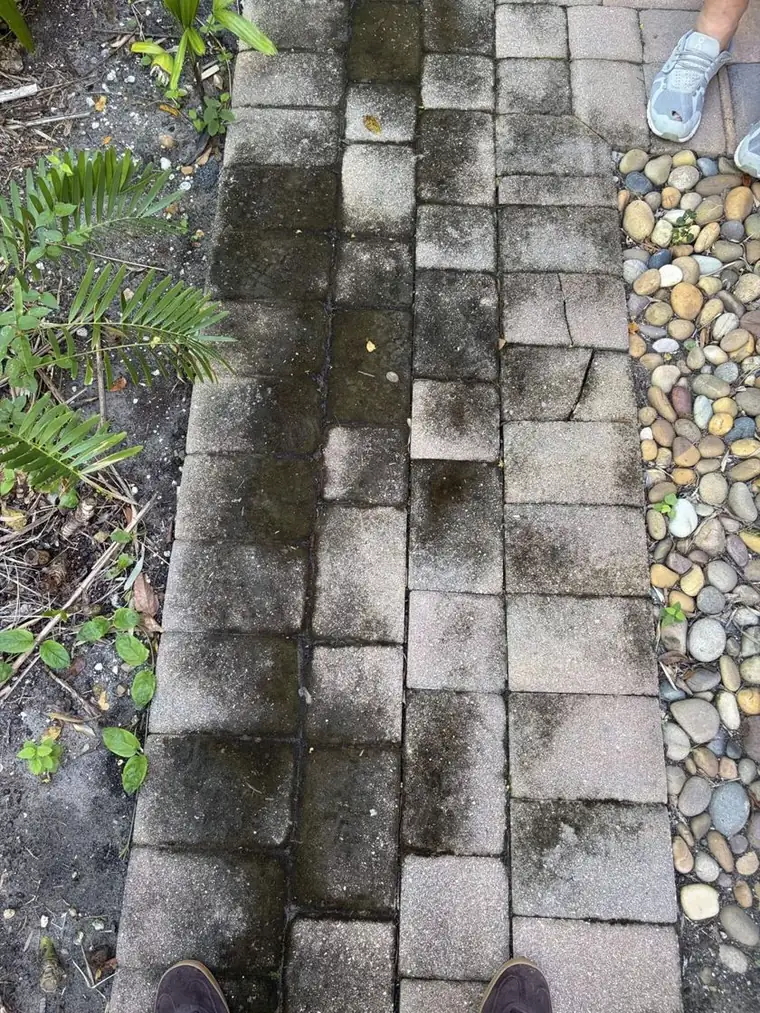
In Florida, concrete and pavers don't stay clean for long. Humidity, shade and rain feed mold, mildew and algae, and that black, slick film builds up on driveways, sidewalks and pool decks faster than most homeowners expect.
First impressions start at the driveway
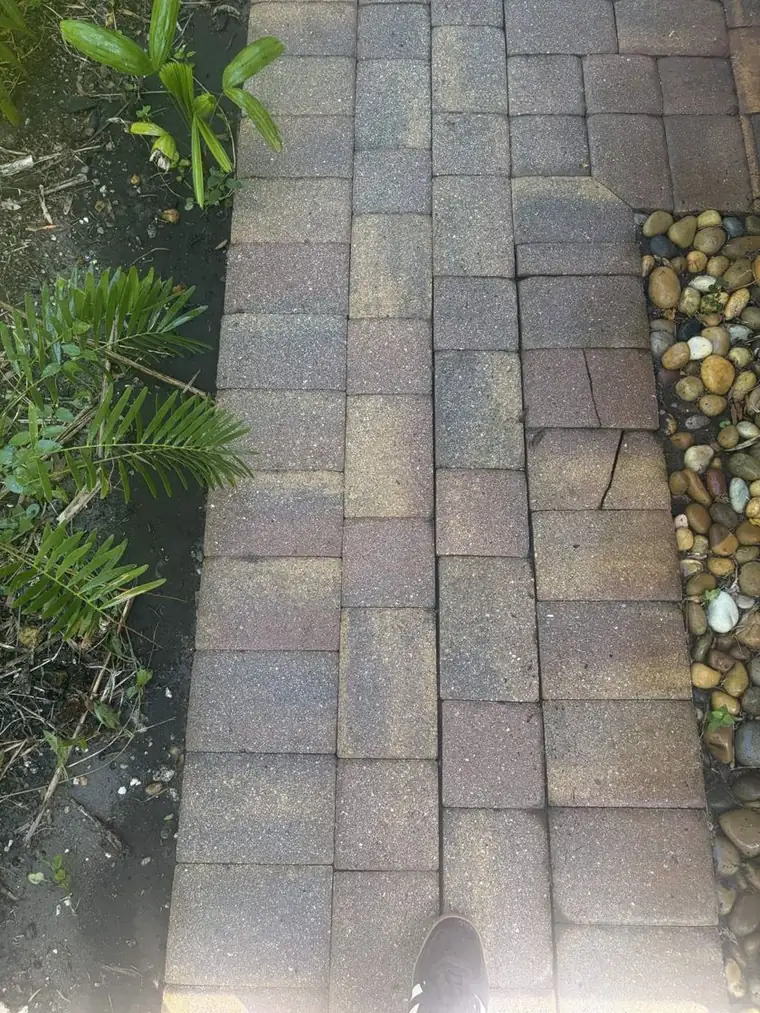
Your driveway and walkway are some of the biggest surfaces people see when they look at your home. A dark, stained driveway makes even a beautiful house look neglected. A clean one instantly brightens the whole front of the property, and that's exactly the kind of curb appeal that matters when you're selling or just want to love coming home.
It's a safety thing too
Algae and mildew make concrete and pavers slippery, especially around pools and in shady spots after rain. Washing them off removes that slick layer and makes walking safer for kids, guests and pets.
Protect what you paid for
Mold, algae and dirt don't just sit on top. They work into the surface and hold moisture against it. Rust and fertilizer stains set in deeper the longer they stay. Regular cleaning keeps your concrete and pavers in good shape, so they look newer for longer and you avoid costly restoration or replacement down the road.
How we do it the Waddle Way
We pre-treat the surface to break down growth at the root, then clean it with a professional rotary surface cleaner for an even finish. That means no zebra stripes or wand marks. Edges and corners get detailed by hand. Your plants get rinsed before and after, and rust stains get a dedicated treatment instead of just more pressure.
How often should you do it?
About once a year keeps most driveways and walkways looking sharp. Shady areas and pool decks that grow algae fast may need it every 6 months.