 Waddle Works
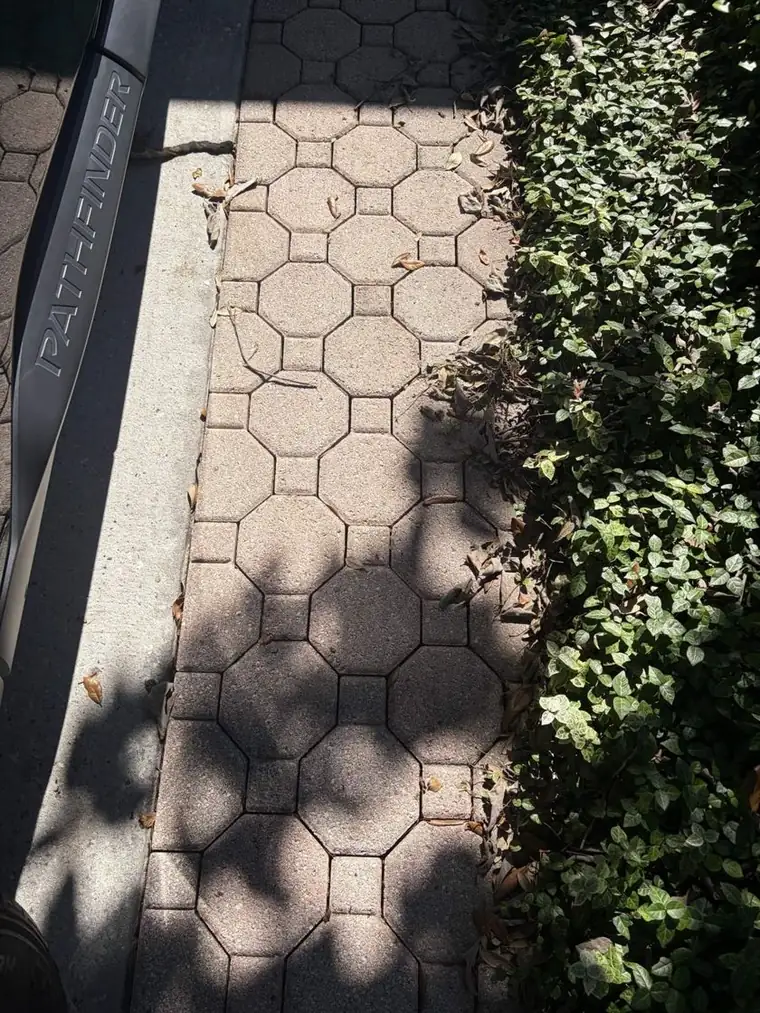
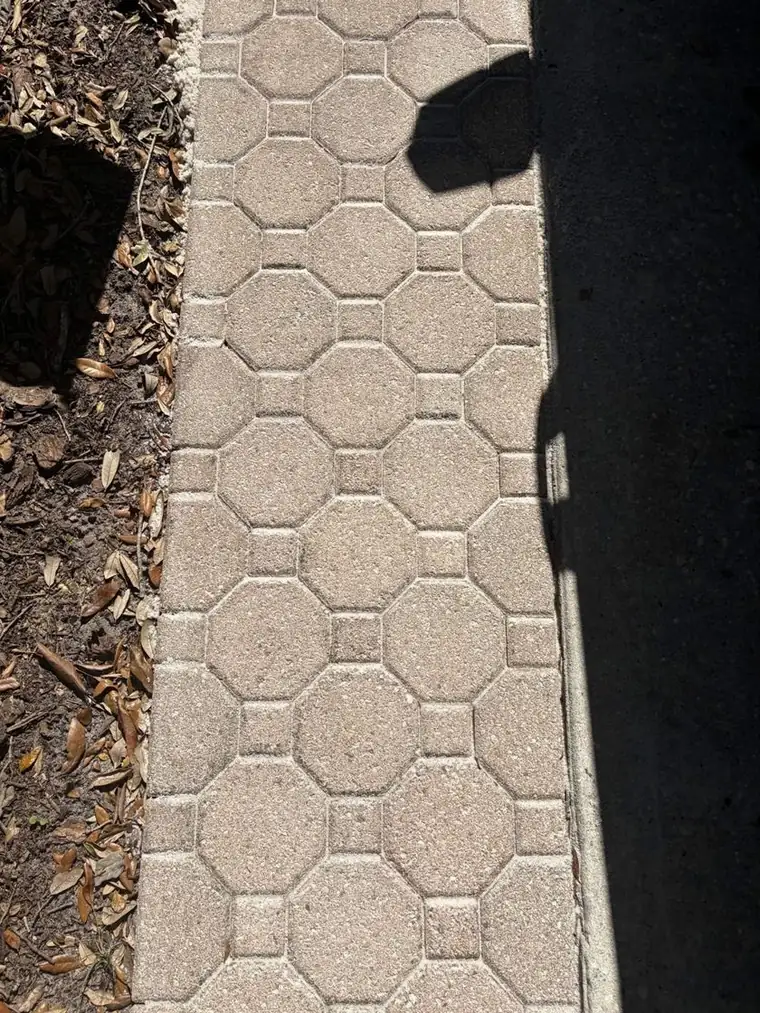
Why Paver Sealing Is an Investment, Not an Expense
Pavers are one of the best upgrades you can make to a driveway, patio or pool deck, and they aren't cheap. Left unprotected in Florida, though, they fade, stain, grow weeds and start to shift. Sealing is how you protect that investment.
What happens to pavers that aren't sealed
Over time, rain and pressure washing wash the joint sand out from between your pavers. That opens the door for weeds, grass and ants to move in. Roots and ant mounds push pavers up and out of place, and loose pavers rock, shift and can crack under the weight of cars. Meanwhile, the sun fades their color and oil, rust and leaves leave stains that soak right in.
What sealing does
Sealing locks fresh joint sand in place, so it doesn't wash out. That makes it much harder for weeds to root and ants to dig, and it helps keep your pavers tight and level. The sealer also creates a protective layer that resists stains, blocks UV fading, and makes future cleaning easier.
Curb appeal and home value
Sealed pavers look rich and finished. Choose a natural look or a wet look that makes the color pop. Freshly cleaned and sealed pavers transform a driveway or pool deck and make the whole property look high-end, which is exactly what you want buyers and neighbors to see.
How we do it the Waddle Way
First we deep clean the pavers to remove mold, algae, stains and old, dirty sand. Then we let them dry completely, because sealing damp pavers is what causes a cloudy finish. Next we sweep fresh joint sand into every gap and apply a professional-grade sealer in even coats. Before we leave, we tell you exactly when it's safe to walk and drive on it.
How long does it last?
With a quality sealer in Florida sun, plan on resealing about every 2 to 3 years to keep the color, the joint sand and the protection locked in.